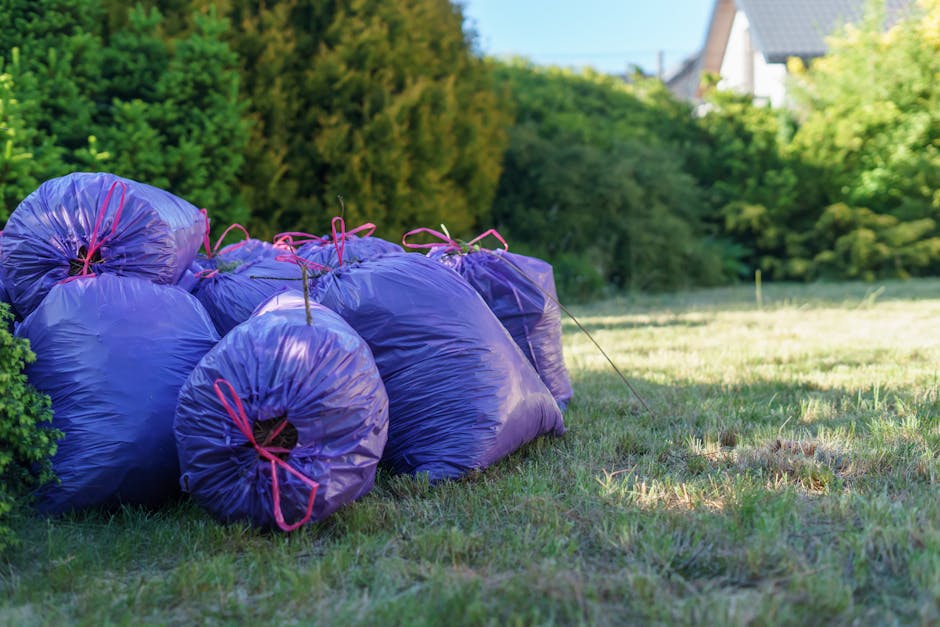
Ealing Council garden waste rules for Northolt homeowners: a practical local guide
If you live in Northolt and your garden seems to produce bags of cuttings every time the weather turns mild, you are not alone. Grass clippings in spring, hedge trimmings after a quick tidy-up, leaves piling up in autumn... it all adds up. The tricky part is knowing what Ealing Council expects from you, what counts as garden waste, and how to stay compliant without making more work for yourself.
This guide breaks down Ealing Council garden waste rules for Northolt homeowners in plain English. It explains the practical do's and don'ts, the common mistakes people make, and how to decide whether to handle disposal yourself or bring in help for larger jobs. If you want a cleaner garden and fewer headaches, you're in the right place.
Why Ealing Council garden waste rules for Northolt homeowners matters
Garden waste may look harmless, but councils treat it differently from regular household rubbish for a reason. Green waste can be bulky, messy, and awkward to collect if it is contaminated with soil, food scraps, rubble, or plastic plant pots. In a place like Northolt, where many homes have compact gardens, side passages, and shared access routes, the difference between a tidy pile and an unaccepted load can be the difference between a smooth collection and a missed one.
The rules matter because they affect three things at once: how you store waste, how you present it for collection, and how you avoid unnecessary costs or fly-tipping risks. Truth be told, a lot of homeowners only find this out after they've already filled the bins. That is usually when the frustration starts.
It also matters if you are doing bigger seasonal tidy-ups. If you are pruning hedges, stripping a lawn, or clearing an overgrown border, you may generate more material than you expect. That is where a sensible plan helps, especially if your garden work is part of a wider project such as garden maintenance or a larger clearance job through garden clearance.
Practical takeaway: garden waste rules are not just about bin collections. They shape how you plan, sort, store, and dispose of green waste so the job stays clean, legal, and manageable.
How Ealing Council garden waste rules for Northolt homeowners works
While the exact service details can change over time, the basic idea is consistent: garden waste should be kept separate from general rubbish and presented in the way the council asks for. For most homeowners, that means paying attention to what goes in, what stays out, and how the waste is prepared.
In practice, garden waste usually includes common organic material such as grass cuttings, hedge trimmings, small branches, weeds, leaves, and similar plant matter. It is not the same thing as household rubbish, and it is certainly not the same as construction waste. Mix the two together and things get messy quickly. A bag with soil and broken tiles tucked underneath, for example, is the kind of thing that can cause a refusal.
There is also a practical side to storage. Fresh clippings can compact down and go soggy fast, especially after a wet Northolt morning. If they sit around too long, they smell, attract pests, and become heavier than you'd like. One of the simplest wins is to let cuttings dry a little before bagging them, where appropriate, and to keep contamination out from the start.
For homeowners dealing with repeated trimming work, keeping your garden in routine shape through hedge trimming and lawn mowing can reduce how much waste builds up at any one time. Smaller, regular jobs are usually much easier to manage than a once-a-year blitz. Anyone who has ever stared at a mountain of ivy cuttings on a damp Saturday knows the feeling.
Key benefits and practical advantages
Following the rules is not only about avoiding problems. Done properly, it makes garden care smoother and more affordable in the long run.
- Cleaner collections: waste is easier to present, easier to move, and less likely to be rejected.
- Less contamination: separating garden waste from rubbish helps you avoid awkward sorting later.
- Better garden hygiene: less lingering waste means fewer pests, fewer slippery patches, and less mouldy build-up.
- Smarter planning: when you know what is allowed, you can plan pruning and mowing work more efficiently.
- Lower stress: fewer surprises, fewer missed collections, and fewer trips back and forth to re-bag everything.
There is another benefit people often overlook: compliance gives you breathing room when you are renovating or reshaping the garden. If you are also looking at structural changes, maybe a new seating area or paving, then the waste stream becomes broader than simple greenery. In that case, it helps to think about the whole garden in one go, not just the part that is being cut back. If you are planning a bigger outdoor refresh, services such as landscaping or landscape gardening can make that easier to organise.
Who this is for and when it makes sense
This guide is for Northolt homeowners who produce their own garden waste, especially if you:
- mow your own lawn and collect the clippings;
- trim hedges, shrubs, or climbers regularly;
- clear borders, beds, or fallen leaves seasonally;
- are tackling a one-off tidy-up before selling or letting a property;
- have limited storage space for waste bags or bins;
- need to avoid nuisance from bags sitting around in the rain;
- prefer to manage disposal in a tidy, structured way.
It also makes sense if you share a boundary with neighbours, have narrow access, or live in a home where bins and sacks need to be placed carefully. Those little real-world details matter. A wheelie bin at the wrong angle in a tight side return can turn a five-minute job into an awkward shuffle, and no one needs that before breakfast.
If your garden work is light and routine, you may only need a basic understanding of the rules. If you are clearing an overgrown plot, cutting back trees, or removing significant amounts of waste, you may be better off pairing the rules with professional help from tree lopping and removal or a full garden clearance service.
Step-by-step guidance
Here is a simple, practical way to handle garden waste in Northolt without overcomplicating it.
- Separate waste as you go. Keep green waste apart from household rubbish, compostable kitchen scraps, rubble, and packaging.
- Check what you have produced. Grass, leaves, small branches, and weeds are one thing; pots, stones, soil-heavy turf, and timber offcuts may be treated differently.
- Cut larger material down. Long stems, thick hedge trimmings, and awkward branches are easier to move when bundled or shortened.
- Use the right containers. Follow the council's presentation rules for bins, bags, or designated collection methods if applicable.
- Avoid overfilling. A bag that bulges, splits, or becomes too heavy can create a collection problem very quickly.
- Store it safely until collection. Put it somewhere dry and accessible, away from pathways and shared access points.
- Arrange professional help when it grows beyond DIY. If the pile is getting silly, that is usually your clue to stop wrestling with it and get support.
If you are already scheduling routine upkeep, it can be helpful to combine waste-producing tasks into a single visit or session. For example, hedge cutting, lawn cutting, and general tidy-up work often pair well with regular garden maintenance. That way, the waste stream is smaller and more predictable.
Expert tips for better results
After plenty of real-world garden jobs, a few habits stand out as consistently useful.
- Bag by material type. Keep leaves, grass, and woody cuttings separate if you can. It makes handling easier and helps you spot contamination early.
- Let wet material drain. Heavy, waterlogged waste is miserable to lift and more likely to split bags. A short drying spell can help.
- Use smaller loads. Smaller bags or bundles are kinder on your back, and honestly, they are easier to move through narrow side paths.
- Trim as you go. Do not wait until branches are huge. Regular pruning reduces the amount of waste you generate each time.
- Plan around weather. A warm, dry afternoon is very different from a drizzly Monday morning. The waste behaves differently too.
One more thing: if your garden includes decking, paved sections, or planted terraces, waste can gather in awkward corners. That is where a broader outdoor maintenance plan helps. A tidy garden layout often makes waste collection simpler, and you may notice fewer last-minute "where on earth do I put this?" moments. If that sounds familiar, it may be time to look at decking services alongside the maintenance work.
Common mistakes to avoid
The most common mistakes are usually simple ones. That is the annoying part. They do not look serious at first, but they create headaches later.
- Mixing in the wrong materials. Soil, rubble, plastics, and household waste can contaminate a load of garden waste.
- Overstuffing bags. If a bag tears in the driveway, you are straight back to square one.
- Leaving waste out too early. Bags left out for too long can blow around, leak, or create clutter.
- Ignoring local collection details. Councils can be particular about presentation, timing, and acceptable material.
- Assuming all green waste is accepted the same way. Not all plant matter is treated identically, especially if it is contaminated or mixed.
Another mistake is underestimating how much waste a simple job can produce. Cutting a hedge back by a few inches feels minor until the trimmings fill half the patio. We have all had that moment of "that can't be all from one shrub... can it?"
Tools, resources and recommendations
You do not need a fancy setup, but the right tools make a big difference. A few practical basics go a long way:
- Sturdy garden sacks or bins: useful for separating and moving green waste without repeated trips.
- Rake and leaf grabber: especially handy in autumn when leaves collect under fences and shrubs.
- Secateurs and loppers: help you reduce bulky material before it becomes hard to manage.
- Tarpaulin or sheet: useful for dragging waste to a collection point without scattering debris.
- Gloves and sturdy footwear: basic, but worth saying. Wet clippings on paving are slippery.
For homeowners who want a more sustainable approach, look at the bigger picture too. Composting suitable materials on-site, when appropriate, can reduce waste volume and improve soil over time. If you want to understand how a maintenance provider thinks about waste reduction and reuse, the page on recycling and sustainability is a useful place to start.
If you are comparing help from different service providers, it is also smart to look at clarity around pricing, security, and service terms before booking. The pages on pricing and quotes and payment and security are relevant if you want to know what to expect before work starts.
Law, compliance and best practice
For Northolt homeowners, the key legal and practical point is straightforward: waste must be handled responsibly, and local council instructions should be followed carefully. Garden waste is not just "any rubbish from outside." It is a separate material stream, and mixing it with unsuitable items can create disposal issues or refuse collection problems.
Best practice in the UK generally means keeping waste sorted, preventing nuisance, and making sure it is stored and presented safely. That includes not overfilling containers, not blocking access routes, and not leaving loose material where it can escape into the street or neighbouring property.
There is also a wider duty of care mindset here. In plain English, you should make reasonable efforts to make sure your waste goes where it should and does not create a problem for other people. That is especially relevant after larger cuts or clearances, where it is easy to think, "I'll sort that later." Later tends to arrive fast.
If you are hiring help, it is sensible to choose a provider with proper insurance and a clear approach to safe working. On a practical level, that protects you and your property as much as it protects the team doing the work. You can review how a local business sets out its standards on insurance and safety and health and safety policy.
Options, methods, and comparison table
There is more than one way to deal with garden waste, and the best option depends on volume, time, and how much effort you want to spend. Here's a simple comparison.
| Method | Best for | Pros | Watch out for |
|---|---|---|---|
| Home sorting and council collection | Light to moderate ongoing waste | Simple, familiar, often cost-conscious | Must follow presentation rules carefully |
| Composting on site | Leaves, grass, and suitable soft waste | Can reduce volume and feed the soil | Needs space and patience; not all material is suitable |
| Professional garden clearance | Large clear-outs, overgrown plots, bulky jobs | Saves time, removes stress, handles bigger loads | Choose a provider with clear safety and disposal practices |
| Ongoing maintenance visits | Regular households wanting steady control | Prevents waste build-up and keeps gardens manageable | Still needs coordination with collection or disposal |
If the garden is already a bit wild, a one-off clear-up can be the better choice. If the space is used every week and you only create small amounts of clippings, ongoing lawn mowing and general upkeep may be enough. Different homes, different messes. Simple as that.
Case study or real-world example
Imagine a semi-detached home in Northolt with a small rear garden, a hedge along one boundary, and a lawn that grows quickly after a wet spell. The homeowner does a spring tidy-up and ends up with a mix of hedge trimmings, grass clippings, weeds, and a few small sticks. At first glance, it looks like one pile. In reality, it needs sorting before collection.
They separate the green waste, shake out loose soil, cut the hedge material into manageable lengths, and store everything in the right containers. The job is quick, clean, and far less stressful than trying to force everything into one overloaded sack. A couple of weeks later, they do a smaller maintenance cut rather than waiting until the hedge has doubled back over the path. The amount of waste drops dramatically.
That is the difference routine makes. The garden still needs attention, of course, but the mess never gets a foothold. And that saves money, time, and the sort of Saturday you would rather spend elsewhere.
Practical checklist
Use this quick checklist before you put any garden waste out for collection or book a clearance visit.
- Have I separated garden waste from general rubbish?
- Is there any soil, rubble, plastic, or food waste mixed in?
- Are the bags or containers manageable and not overfilled?
- Have I cut down long branches or bulky trimmings?
- Is the waste stored in a safe, accessible place?
- Do I understand the current collection expectations?
- Would a professional service save time on this job?
- Do I need help with larger pruning, clearance, or reshaping work?
If you tick more than a few boxes with a hesitant yes, that is usually your sign to slow down and plan properly. No drama. Just a better way to do it.
Conclusion
For Northolt homeowners, understanding Ealing Council garden waste rules is less about memorising fine print and more about building simple habits. Sort the material properly, keep it clean, present it carefully, and plan ahead when the garden work is bigger than expected. That approach keeps collections smoother, the garden tidier, and your weekends far less chaotic.
Whether you are dealing with a quick mow, an overgrown hedge, or a full seasonal reset, the best results usually come from steady maintenance rather than frantic catch-up work. And if the job is too large, too awkward, or just plain boring, there is no shame in getting help. Let's face it, nobody dreams of wrestling wet branches into bags for fun.
Get a free quote today and see how much you can save.
For local homeowners who want a neat, compliant, and low-stress result, the right plan makes all the difference-and a well-kept garden has a way of making home feel lighter, every single day.
Frequently Asked Questions
What counts as garden waste under Ealing Council rules?
Garden waste usually includes organic material such as grass cuttings, hedge trimmings, weeds, leaves, and small branches. Mixed loads containing rubbish, rubble, plastic, or heavy soil can be treated differently, so keeping waste separate is the safest approach.
Can I put soil in my garden waste?
Soil is often a problem because it adds weight and may not be accepted in the same way as green waste. If your job creates a lot of soil, turf, or root material, it is worth checking the current collection expectations before you bag it all up.
Do I need to separate hedge trimmings from grass cuttings?
It is not always essential for every small household job, but separating different materials can make disposal easier and helps you spot contamination early. For larger clear-outs, sorting by material is usually a smart habit.
What happens if I put the wrong items in garden waste?
Collections may be refused, delayed, or left behind if the load is contaminated. That means more time sorting it out later, and honestly, it is the kind of chore that always feels worse the second time around.
How often should Northolt homeowners clear garden waste?
That depends on how active your garden is. Lawns and hedges can produce steady small amounts, while seasonal pruning creates bigger spikes. Regular maintenance is usually easier than waiting for a massive end-of-season pile.
Is composting a good alternative to council disposal?
Yes, for suitable soft waste such as leaves and grass, composting can be a practical option. It is not ideal for everything, though, especially thick branches or contaminated material. Composting works best when you keep expectations realistic.
Should I hire a professional for garden clearance?
If the waste is bulky, the access is awkward, or the garden has become overgrown, professional clearance can save a lot of time and physical effort. It also helps when you want the job done properly in one go.
How do I avoid overfilling garden waste bags?
Work in smaller loads and stop before the bags become too heavy to lift safely. Wet clippings and branches can become heavier than expected, especially after rain, so it pays to be conservative.
What is the best way to manage garden waste in a small Northolt garden?
Small gardens benefit from regular maintenance, compact storage, and prompt disposal. If you mow, trim, and tidy little and often, you avoid the huge build-up that makes collections harder to manage.
Can garden waste be left outside for collection whenever I want?
Not usually. Councils generally have specific presentation and timing requirements. Leaving waste out too early can cause clutter, pests, or problems with neighbours, so it is better to follow the current collection instructions closely.
What should I do with large branches or tree cuttings?
Large branches and heavier tree material may need to be cut down, bundled, or handled separately. If the work is substantial, a specialist service such as tree lopping and removal can be the more practical choice.
Where can I get help if I want the garden tidied properly?
A good place to start is the services overview, especially if you are deciding between ongoing maintenance, clearance, or a larger landscaping job. If you want to learn more about the company itself, the about us page is also useful.